
Citizenship must be decided through fair process: Supreme Court relief for 27 declared foreigners in Assam
Citizenship must be decided through fair process: Supreme Court relief for 27 declared foreigners in Assam
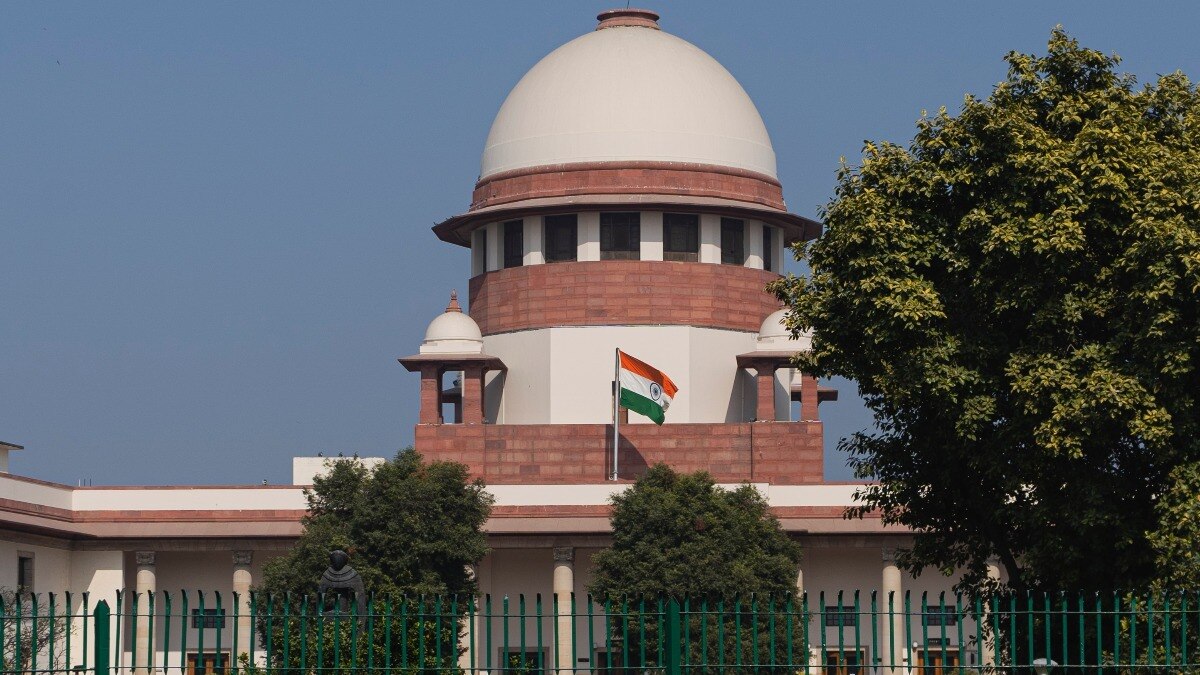
The Supreme Court has emphasized that questions of citizenship must be decided through a fair, transparent, and legally valid process. In a significant development, the Court granted relief to 27 individuals in Assam who had earlier been declared foreigners, highlighting the importance of protecting constitutional rights and ensuring that every person receives a proper opportunity to present their case.
The Court observed that citizenship is a matter with far-reaching consequences and cannot be determined through arbitrary or unfair procedures. It stressed that due process, access to legal remedies, and adherence to the principles of natural justice are essential before a person can be deprived of their rights.
This decision reinforces the judiciary’s commitment to safeguarding fundamental rights while ensuring that citizenship-related disputes are resolved strictly according to the law. The ruling also serves as a reminder that legal processes must remain fair, unbiased, and transparent, particularly in cases that directly affect an individual’s identity, dignity, and future.
The case has drawn nationwide attention and is expected to influence the handling of similar citizenship matters in the future. Legal experts believe the judgment strengthens the principle that every individual deserves a fair hearing before any final decision on citizenship is made.
In a significant judgment reaffirming the importance of constitutional safeguards, the Supreme Court has observed that questions relating to citizenship must always be decided through a fair, transparent, and legally sound process. The Court granted relief to 27 individuals in Assam who had previously been declared foreigners, emphasizing that due process is a fundamental requirement in cases involving a person’s citizenship and legal status.
The bench noted that citizenship is one of the most important legal rights an individual possesses, directly affecting access to fundamental rights, employment opportunities, education, healthcare, and protection under the Constitution. Therefore, any decision declaring a person a foreigner must be based on proper legal procedures, credible evidence, and a fair opportunity to present their case.
The Court highlighted that authorities and tribunals dealing with citizenship matters are expected to follow the principles of natural justice. Every individual should receive adequate notice, access to relevant documents, legal representation, and a meaningful opportunity to defend themselves before any adverse decision is taken.
The relief granted to the 27 individuals comes as an important reminder that procedural fairness cannot be overlooked, even in complex citizenship disputes. The Supreme Court made it clear that errors or irregularities in the decision-making process can have life-altering consequences, making judicial scrutiny essential in such cases.
Assam has remained at the center of citizenship-related issues for several years due to the implementation of the National Register of Citizens (NRC) and proceedings before Foreigners Tribunals. Thousands of people have faced legal challenges concerning their citizenship status, making judicial oversight an important safeguard against wrongful decisions.
Legal experts believe the latest ruling strengthens confidence in the judicial system by reinforcing that citizenship disputes must be resolved strictly in accordance with the Constitution and established legal principles. The judgment also underlines that fairness, transparency, and accountability are indispensable components of any legal process affecting an individual’s identity and civil rights.
The Supreme Court’s observations are expected to influence future citizenship-related proceedings across the country by reminding authorities that justice is not only about the final outcome but also about ensuring that the process leading to that outcome is fair and impartial.
The decision has been welcomed by legal observers as a reaffirmation of the rule of law and the constitutional promise of equal justice. As similar cases continue to emerge, the judgment is likely to serve as an important precedent in ensuring that citizenship determinations are made with utmost care, fairness, and respect for individual rights.
Key Highlights:
- Supreme Court says citizenship must be determined through a fair legal process.
- Relief granted to 27 individuals in Assam previously declared foreigners.
- Court emphasized adherence to the principles of natural justice.
- Fair hearing and due process are essential before deciding citizenship.
- The ruling may influence future citizenship-related cases across India.